

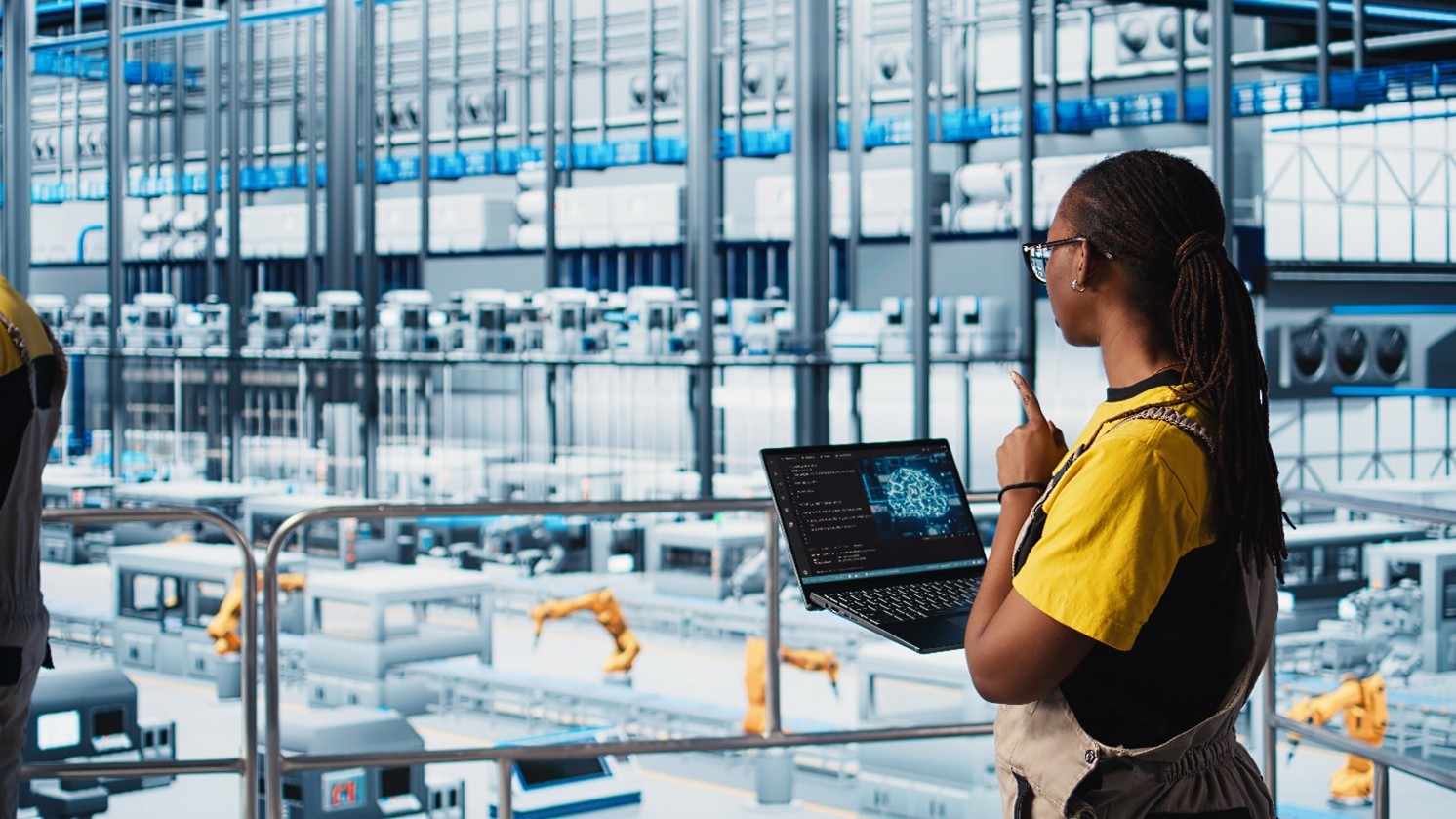
Most manufacturers already know they need digital transformation.
The confusion starts with the next question:
“Where exactly do we begin?”
Some companies jump straight into automation software. Others invest in dashboards, ERP systems, or AI tools. But digital transformation is not about buying technology first. It’s about understanding what is slowing your operations down before introducing new systems.
Digital transformation in manufacturing involves using technologies like AI, automation, analytics, and connected systems to improve operational efficiency and decision-making.
The businesses seeing real results usually start much smaller, and much smarter.
Start With Operational Visibility
Before implementing any technology, manufacturers need visibility into their existing workflows.
Where are delays happening?
Which tasks are still manual?
Where is production time being lost?
Which processes depend too heavily on human intervention?
This is where Manufacturing Process Optimization becomes the real starting point.
Many manufacturers try to digitize broken workflows instead of fixing them first. That only creates faster inefficiency.
Manufacturers that evaluate operational bottlenecks before adopting new technology tend to achieve better efficiency and scalability.
What Should Be Digitized First?
| Manufacturing Area | Recommended First Step | Expected Impact |
| Inventory Management | Real-time inventory tracking | Reduced stock errors |
| Production Reporting | Automated production updates | Faster decisions |
| Maintenance Operations | Predictive maintenance systems | Reduced downtime |
| Quality Control | Digital inspection systems | Better consistency |
| Workflow Management | Centralized dashboards | Improved coordination |
Don’t Try to Transform Everything at Once
One of the biggest mistakes manufacturers make is attempting a complete transformation immediately.
That approach usually creates:
- operational disruption,
- employee resistance,
- implementation confusion,
- and unnecessary spending.
A phased approach works better.
Start with one production challenge.
One workflow.
One operational inefficiency.
Then expand gradually.
Experts in manufacturing transformation increasingly recommend phased implementation because it reduces disruption and improves long-term adoption success.
Technology Alone Won’t Fix the Problem
This is the part many businesses overlook.
Digital transformation is not just a software project.
It’s an operational strategy.
A manufacturer can install advanced systems and still struggle with:
- slow approvals,
- disconnected departments,
- poor workflow structure,
- and inconsistent execution.
That’s why the Right Manufacturing Business Consultant matters.
The right consultant helps manufacturers:
- identify operational gaps,
- prioritize transformation areas,
- align systems with business goals,
- and avoid unnecessary technology investments.
Because transformation should improve execution — not complicate it.
Data Is Becoming the Competitive Advantage
Modern manufacturing is becoming increasingly data-driven.
Real-time monitoring, predictive analytics, and AI-based reporting are helping manufacturers:
- reduce downtime,
- improve production planning,
- optimize resources,
- and make faster decisions.
AI and machine learning are now major drivers of manufacturing transformation because they improve operational accuracy and predictive capabilities.
This shift is also changing how manufacturers approach growth.
Today, operational efficiency directly affects customer experience, delivery speed, and market competitiveness.
Even strategies like digital marketing for startups become more effective when operations are efficient enough to support faster growth.
Why Strategic Guidance Matters
Digital transformation projects often fail because businesses focus too much on technology and not enough on execution.
That’s why many manufacturers now work with a business growth consultant before making major operational changes.
Transformation decisions impact:
- production,
- teams,
- reporting,
- supply chains,
- and profitability.
Without a clear roadmap, businesses risk investing in systems that never fully solve the real problem.
Why Startup Mentor is the Right Startup Consultant
Startup Mentor works as a practical startup consultant helping manufacturers modernize operations without creating unnecessary complexity.
Their focus is not just technology adoption.
It’s operational improvement.
They help businesses:
- optimize workflows,
- improve efficiency,
- build scalable systems,
- and implement practical transformation strategies tied to real business outcomes.
Digital transformation in manufacturing does not begin with software.
It begins with clarity.
Businesses that first understand their operational inefficiencies make better technology decisions, implement systems more effectively, and scale with greater control.
The goal is not to become “more digital.”
The goal is to become more efficient, more scalable, and more competitive.
If your manufacturing business is struggling with inefficient workflows, manual processes, or operational bottlenecks, now is the right time to modernize strategically. Partner with Startup Mentor, your trusted startup consultant, and build manufacturing systems designed for long-term growth and operational efficiency.
Get in touch today and take the first step toward smarter manufacturing operations.